Explore the Basics of Extrusion Machines: A Complete Introduction for Beginners
The concept of extrusion has existed since the 18th century, initially used for metal forming. Today, the technology has evolved to include thermoplastics, rubber, food products, and more. It enables mass production of items with uniform cross-sections and is a core part of many industries, including construction, automotive, packaging, and food processing.
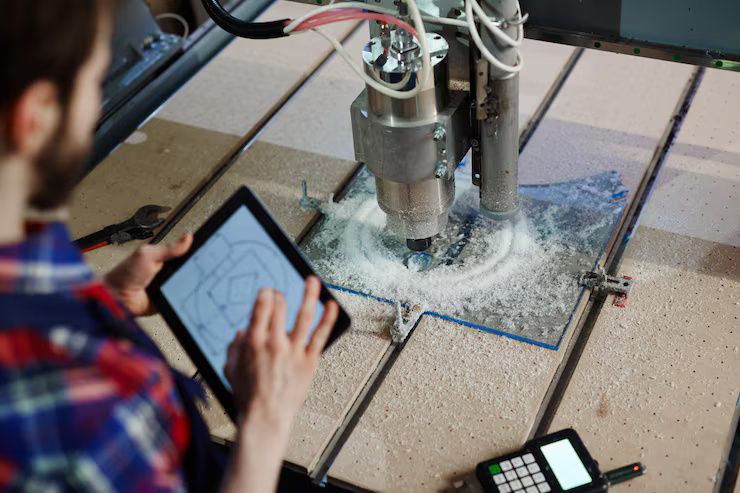
Why extrusion machines matter today
Extrusion plays a central role in modern manufacturing due to its versatility, efficiency, and ability to work with a wide range of materials.
Key industries relying on extrusion machines:
-
Plastic manufacturing: Packaging, pipes, films, and consumer products
-
Construction: Window frames, siding, and insulation materials
-
Automotive: Rubber seals, trims, and tubing
-
Food industry: Pasta, snacks, and cereals
-
Metal processing: Aluminum and copper wires, rods, and frames
Problems extrusion solves:
-
Reduces material waste through continuous production
-
Ensures consistent quality and dimensions
-
Speeds up manufacturing processes
-
Enables the use of recycled or composite materials
-
Supports customization through interchangeable dies
Extrusion machines support high-volume output while maintaining quality, making them essential for industries seeking scalable and cost-effective production methods.
Recent updates and trends in extrusion
In the past year, extrusion technology has seen significant updates in automation, sustainability, and efficiency. Here are some of the key developments:
| Trend | Description |
|---|---|
| Smart extrusion systems | Machines now include sensors and AI for real-time monitoring and predictive maintenance, reducing downtime. |
| Eco-friendly materials | More companies are adopting bio-based or recycled materials in extrusion, reducing environmental impact. |
| Multi-layer extrusion | Advanced machines now support multi-layer extrusion, especially in packaging and medical applications, enhancing strength and functionality. |
| Digital twins | Some manufacturers are using digital twins (virtual models of machines) to optimize processes and test changes before implementation. |
| 3D printing integration | Certain extrusion machines now support 3D printing applications, especially for thermoplastics. |
In April 2025, several manufacturers at the Hannover Messe industrial technology fair showcased hybrid extrusion machines capable of switching between materials mid-process, helping reduce setup times and energy use.
Laws and policies affecting extrusion machines
Extrusion machines are subject to various regulations related to safety, emissions, energy efficiency, and product quality. These regulations vary by country and industry but share common goals: protecting workers, ensuring consistent product standards, and reducing environmental impact.
Key regulatory aspects:
| Area | Examples of Related Laws |
|---|---|
| Worker Safety | OSHA (USA), EU Machinery Directive – mandates guards, emergency stops, and operator training |
| Energy Efficiency | Minimum Energy Performance Standards (MEPS) for motors and heaters in machinery |
| Environmental Impact | REACH (EU), RoHS, and other chemical-use standards to regulate emissions and material use |
| Food-grade compliance | FDA (USA) or EFSA (EU) requirements for food-contact surfaces in food extrusion |
| Plastics and Recycling | Extended Producer Responsibility (EPR) laws encourage the use of recyclable or biodegradable materials |
Some governments also offer tax incentives or subsidies for adopting energy-efficient or low-emission machines. In India and parts of the EU, there are active programs supporting sustainable equipment upgrades in manufacturing.
Tools and resources for learning and managing extrusion
Whether you're a student, technician, or new manufacturer, a variety of tools and resources can help you understand and work with extrusion machines more effectively.
Learning platforms and resources:
-
YouTube Channels: Engineering Explained, Plastics Live
-
MOOCs: Coursera and edX offer courses in polymer processing and manufacturing
-
Books: Plastic Extrusion Technology by Allen and Baker, Metal Forming Handbook by Schuler
Simulation and design tools:
-
SolidWorks Plastics: Used to simulate flow in plastic extrusion
-
ANSYS Polyflow: Advanced simulation for materials during extrusion
-
AutoDie or DieDraw software: Assists in die design and adjustment
Maintenance and monitoring apps:
-
Machine monitoring platforms like Secomea or Pro-Face Remote HMI for real-time performance and alerts
-
Predictive maintenance software like Fiix or UpKeep that integrates with smart sensors
Industry websites and calculators:
-
Plastics Technology Magazine (plasticstechnology.com)
-
Extrusion Tooling Calculator – to estimate pressure, throughput, and die swell
-
European Plastics Converters (EuPC) – policy, recycling updates, and training
Frequently Asked Questions
What materials can be processed using extrusion machines?
Extrusion machines handle a wide range of materials including thermoplastics (like PVC, PE, and ABS), metals (like aluminum and copper), rubber, food dough, and even composite materials like wood-plastic blends.
What are the main types of extrusion machines?
-
Single-screw extruders: Common for plastics and simple applications
-
Twin-screw extruders: Better mixing and higher output, often used for compounding or food extrusion
-
Ram extruders: Used mostly for metals
-
Cold extrusion machines: Ideal for metal forming without heating
Is extrusion environmentally friendly?
Yes, especially when using recycled or bio-based materials. Modern machines are designed to minimize waste and energy use. However, energy consumption and emissions still depend on the process and materials used.
What’s the difference between hot and cold extrusion?
Hot extrusion involves heating the material to make it more pliable—common in plastics and metal processing. Cold extrusion is done at room temperature and is typically used for metals to maintain strength and surface finish.
How do I choose the right extrusion machine?
Consider the material, required output, complexity of the profile, temperature needs, and whether mixing or multi-layering is necessary. Budget, maintenance requirements, and energy efficiency also play major roles.
Summary table: Common extrusion processes
| Process Type | Material | Key Features | Industry Application |
|---|---|---|---|
| Plastic extrusion | PVC, PE, ABS | Continuous profiles, tubes | Packaging, construction |
| Sheet extrusion | Polymers | Produces flat sheets | Signage, trays |
| Food extrusion | Starch, proteins | Heated and shaped | Cereals, snacks, pasta |
| Metal extrusion | Aluminum, copper | High pressure, strong parts | Automotive, aerospace |
| Rubber extrusion | Natural/synthetic rubber | Requires curing | Tires, seals |
Final thoughts
Extrusion machines are foundational to modern manufacturing. They support efficient, scalable production across a variety of industries. As technology advances, these machines are becoming smarter, greener, and more flexible—making them even more relevant for the future of manufacturing.
For beginners, understanding the basic types, materials, and processes involved in extrusion is the first step. With the right tools, training, and compliance awareness, anyone can start exploring the world of extrusion technology confidently and safely.