The Ultimate Guide to Losing Weight Naturally: Tips, Facts, and Proven Strategies
The concept exists because maintaining a healthy weight plays a critical role in overall well-being. Unlike crash diets or supplements, natural weight loss emphasizes gradual progress, healthier habits, and long-term results without severe side effects.
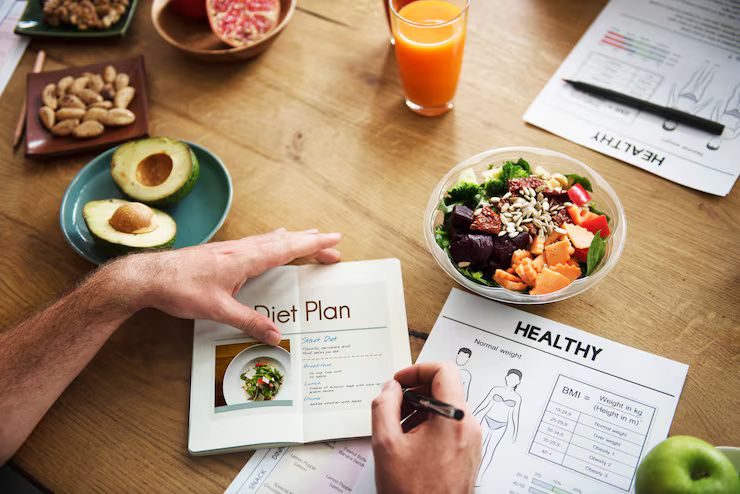
Why natural weight loss is important today
In recent decades, global obesity rates have risen sharply. According to the World Health Organization, worldwide obesity has nearly tripled since 1975. This has led to an increase in chronic conditions such as:
-
Type 2 diabetes
-
Heart disease
-
Certain cancers
-
High blood pressure
-
Joint and mobility issues
Who is affected?
-
Adults with sedentary lifestyles
-
Children and teens with poor dietary habits
-
Individuals with genetic predispositions
-
Communities with limited access to healthy food or exercise spaces
Natural weight loss helps address these problems by encouraging long-term lifestyle changes that promote better health and reduce reliance on medication or surgeries.
Problems solved by natural approaches:
-
Reduces risk of chronic diseases
-
Improves energy and sleep quality
-
Enhances mental well-being
-
Encourages consistent habits over quick fixes
Recent updates and trends in natural weight management
Several developments over the past year have highlighted changes in how natural weight loss is approached:
| Trend | Description |
|---|---|
| Personalized nutrition plans | AI and DNA-based apps offer customized meal plans for optimal weight management. |
| Mindful eating | Growing focus on eating with awareness—slower eating, fewer distractions, and recognizing hunger cues. |
| Strength training emphasis | 2024 fitness trends shifted toward resistance and weight training as essential for metabolism and fat loss. |
| Digital wellness programs | Platforms like Noom, MyFitnessPal, and Fitbit integrated behavior tracking with coaching support. |
| Focus on gut health | Research in 2024 linked healthy gut bacteria with improved metabolism and reduced cravings. |
In early 2025, global fitness reports indicated a growing shift away from restrictive dieting and toward holistic wellness approaches, combining sleep, hydration, nutrition, and exercise.
Government regulations and public health policies
Governments and health organizations have introduced various guidelines and initiatives aimed at promoting healthy weight management and preventing obesity.
Notable policies by region:
| Country/Region | Program/Policy | Purpose |
|---|---|---|
| United States | Dietary Guidelines for Americans 2025–2030 | Recommends whole foods, portion control, and physical activity. |
| UK | Healthy Weight Strategy (NHS) | Public campaigns, calorie labeling in restaurants, and sugar reduction programs. |
| Australia | National Obesity Strategy 2022–2032 | Focuses on health equity, prevention, and community-based action. |
| India | Fit India Movement | Encourages daily physical activity and fitness in schools and workplaces. |
| EU | Farm to Fork Strategy | Promotes sustainable, nutritious diets across Europe. |
Many of these policies aim to address food marketing to children, provide better labeling, and improve access to healthier food options.
Tools and resources to support natural weight loss
Today, a wide range of free and paid tools can support individuals seeking to lose weight naturally. These include apps, websites, community groups, and templates.
Popular weight loss and fitness apps:
-
MyFitnessPal – Tracks food intake, calories, and exercise
-
Fitbit – Monitors steps, heart rate, sleep, and activity levels
-
Lose It! – Food tracking, calorie goals, and visual progress charts
-
Cronometer – Detailed nutritional tracking with vitamin and mineral breakdown
-
Nike Training Club – Free workout plans and expert guidance
Online communities and platforms:
-
Reddit’s r/loseit – Peer support and accountability
-
YouTube fitness channels – Free guided workouts for all levels
-
WHO’s Be Active Campaign – Educational resources for physical activity
Templates and guides:
-
Meal prep planners
-
Grocery shopping lists for whole foods
-
Printable daily water intake charts
-
Weekly fitness tracker logs
These tools help users stay consistent, informed, and motivated on their journey.
Frequently Asked Questions
1. How much weight can I safely lose in a week naturally?
Most health experts recommend losing 0.5 to 1 kg (1 to 2 pounds) per week through natural means. Rapid weight loss can lead to muscle loss, fatigue, and nutritional deficiencies.
2. Do I need to eliminate carbs or fat to lose weight?
No. A balanced diet that includes healthy carbs (like whole grains) and good fats (like avocados or nuts) is essential. Cutting out entire food groups can cause imbalances and is not sustainable.
3. Can walking alone help me lose weight?
Yes, regular walking—especially brisk walking—can contribute to weight loss when paired with healthy eating. Walking 30–60 minutes a day can improve metabolism and burn calories effectively.
4. Is it necessary to count calories every day?
Not necessarily. While calorie tracking helps many people understand their intake, others may focus on portion control, meal timing, or eating whole foods without strict logging.
5. Why am I not losing weight despite exercising?
Several factors may be at play:
-
Consuming more calories than burned
-
Hidden sugars or high-calorie snacks
-
Inadequate sleep or stress
-
Water retention or hormonal changes
Tracking meals, getting quality sleep, managing stress, and evaluating your exercise intensity may help identify the cause.
Sample meal plan vs. activity output (daily snapshot)
| Meal Type | Example | Approx. Calories |
|---|---|---|
| Breakfast | Oats with banana and nuts | 350 kcal |
| Lunch | Grilled chicken with quinoa and salad | 500 kcal |
| Snack | Greek yogurt with berries | 150 kcal |
| Dinner | Vegetable stir-fry with tofu and brown rice | 450 kcal |
This comparison helps visualize the relationship between energy intake and expenditure.
Final thoughts
Losing weight naturally is a journey that requires patience, self-awareness, and consistency. Unlike quick-fix diets or drastic interventions, natural strategies focus on improving overall health rather than just reducing numbers on the scale.
The key is to build sustainable habits—eating a balanced diet, staying physically active, sleeping well, and managing stress. Supported by the right tools, community, and guidelines, anyone can make progress toward a healthier weight.